Showing posts with label Birds. Show all posts

Sunday, 4 December 2011

House Sparrow

The House Sparrow is a bird of the sparrow family Passeridae, found in most parts of the world. The House Sparrow founds naturally in most of Europe, the Mediterranean region, and much of Asia. The House Sparrow is strongly associated with human habitations, and can live in urban or rural settings. A small bird, it has a length of 16 centimetres and a weight of 24–39.5 grams. Females and young birds are coloured pale brown and grey, and males have brighter black, white, and brown markings. The House Sparrow feeds mostly the seeds of grains and weeds, and insects, and can perform complex and unusual tasks to obtain food. The predators of the House Sparrow include domestic cats, hawks, owls, and many other predatory birds and mammals.

A male sparrow
A male sparrow
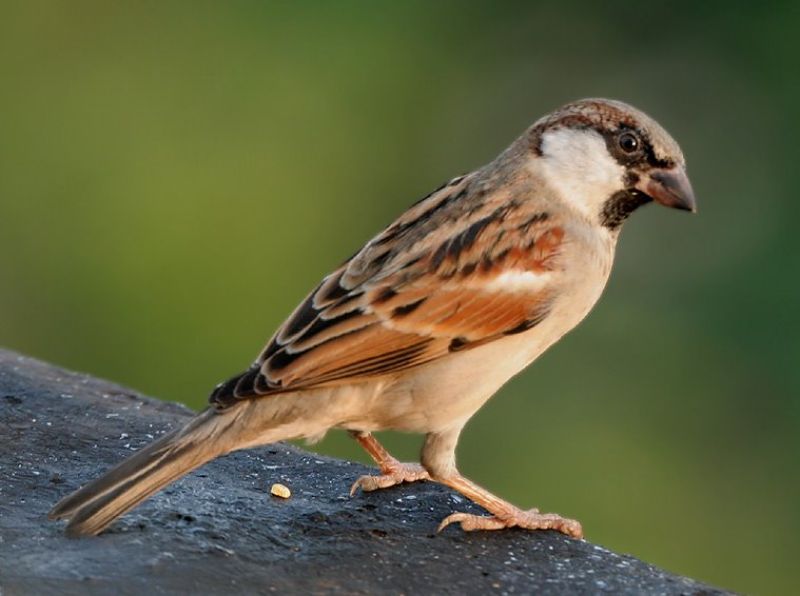
A male sparrow
A female sparrow
A female sparrow
A male & female sparrows


Monday, 24 October 2011

Victoria Crowned Pigeon

The Victoria Crowned Pigeon, Goura victoria, is a beautiful large, bluish-grey pigeon with elegant blue lace-like crests, maroon breast and red iris. Both male and female are similar. The Victoria Crowned Pigeon is distributed in the lowland and swamp forests of northern New Guinea and surrounding islands. Its diet consists mainly of fruits, figs, seeds and invertebrates. The female usually lays a single white egg.

Image of Victoria Crowned Pigeon


Sunday, 16 October 2011

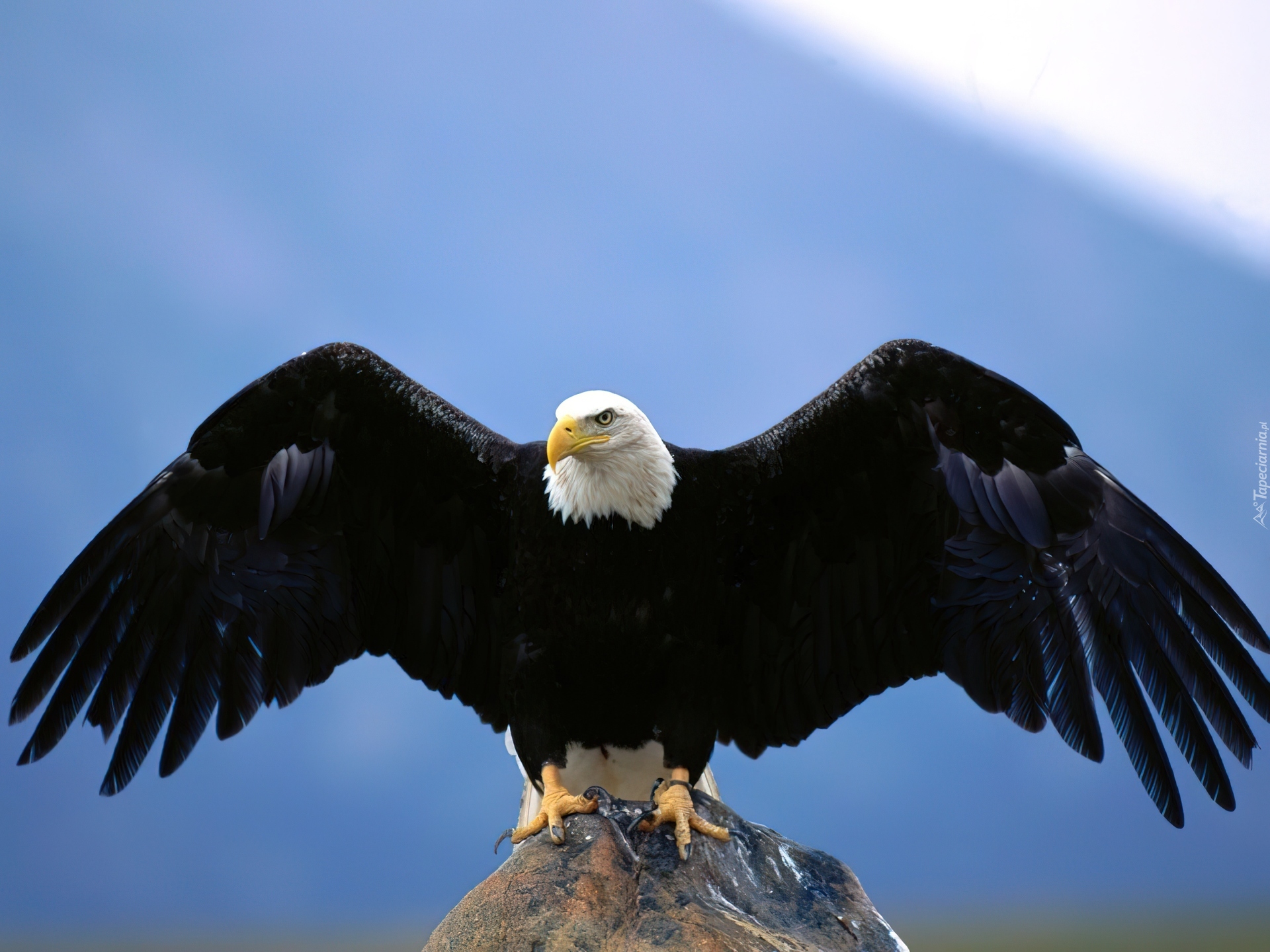
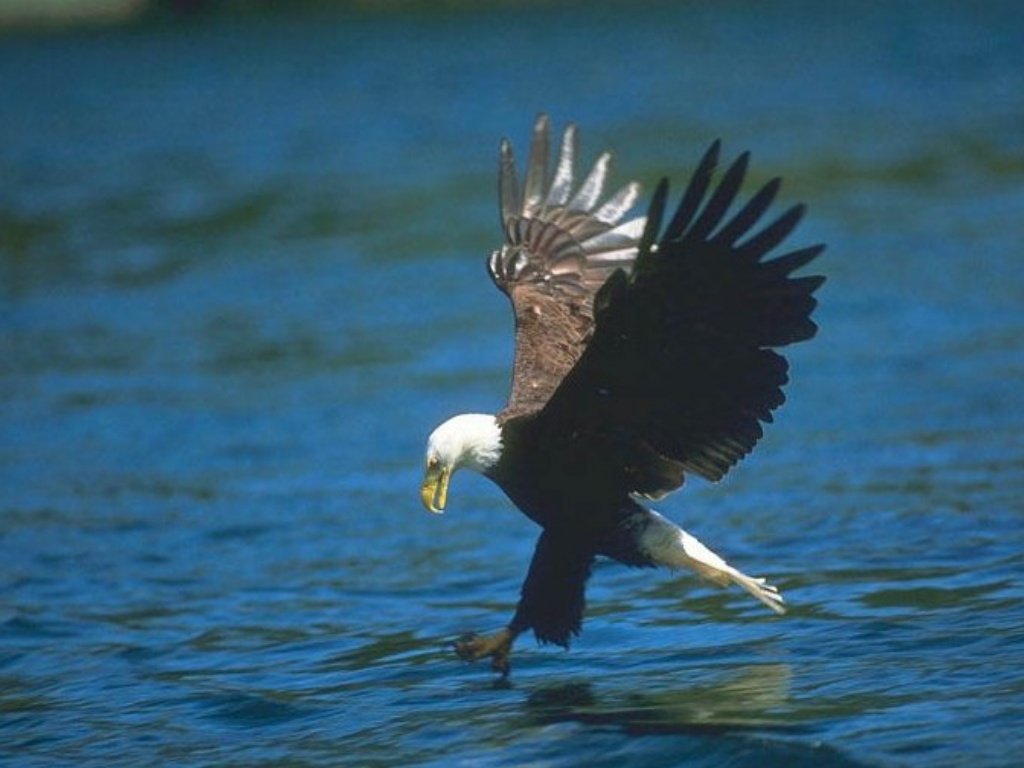
Bald Eagle

The Bald Eagle is a bird of prey found in North America. It is the national bird and symbol of the United States of America. This sea eagle has two known sub-species and forms a species pair with the White-tailed Eagle. Its range includes most of Canada and Alaska, all of the contiguous United States, and northern Mexico. It is found near large bodies of open water with an abundant food supply and old-growth trees for nesting. The adult Bald Eagle is mainly brown with a white head and tail. The sexes are identical in plumage, but females are larger than males. The beak is large and hooked. The plumage of the immature is brown. Bald Eagles are not actually bald, the name derives from the older meaning of the word, "white headed".

Image of Bald Eagle
Image of Bald Eagle
Image of Bald Eagle
Image of Bald Eagle

Monday, 10 October 2011

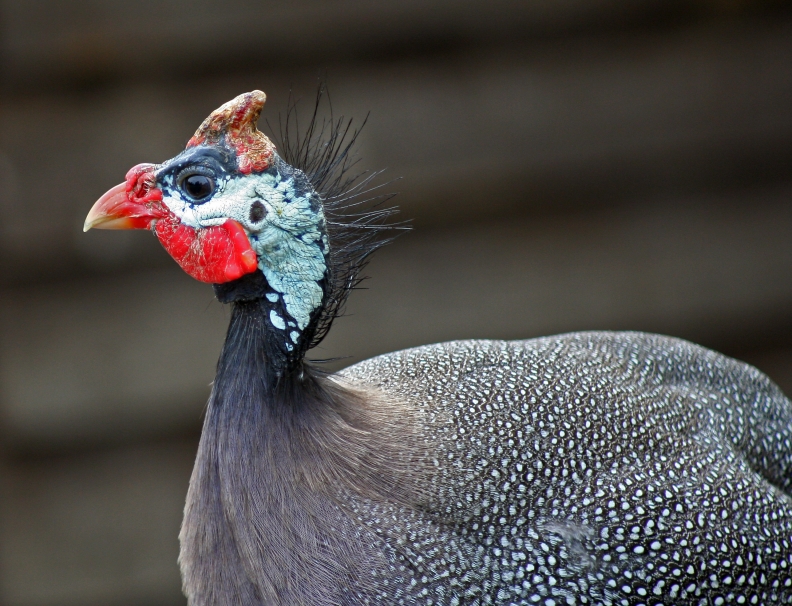
Helmeted Guineafowl

The Helmeted Guineafowl is a large bird with a round body and small head. Its weight is about 1.3 kg. The body plumage is gray-black spangled with white. It has an unfeathered head, in this case decorated with a dull yellow or reddish bony knob, and red and blue patches of skin. The wings are short and rounded, and the tail is also short. Various sub-species are proposed, differences in appearance being mostly a large variation in shape, size and colour of the casque and facial wattles.

Image of a group of Helmeted Guineafowl
Image of a Helmeted Guineafowl

Malleefowl

The Malleefowl is a stocky ground-dwelling Australian bird about the size of a domestic chicken.

Image of Malleefowl
Image of Malleefowl
Image of Malleefowl
Image of Malleefowl
Image of Malleefowl

Australian Brush-turkey

The Australian Brushturkey or Australian Brush-turkey , also frequently called the Scrub Turkey or Bush Turkey, is found in eastern Australia from Far North Queensland to Illawarra in New South Wales. It has also been introduced to Kangaroo Island in South Australia.

Image of Australian Brushturkey

Peacock

Peacock is also called Peafowl. The male is called a peacock, the female a peahen, and the offspring peachicks. The adult female peafowl is grey and/or brown. Peachicks can be between yellow and a tawny colour with darker brown patches.


Image of a Peacock and Peahen

Introduction of Birds

Birds are feathered, winged, bipedal, endothermic (warm-blooded), egg-laying, vertebrate animals. There are more than 10,000 living species of birds are found on earth from the Arctic to the Antarctic. The size of birds is ranging from 5 cm (2 in) Bee Hummingbird to the 2.75 m (9 ft) Ostrich.